
News & Views
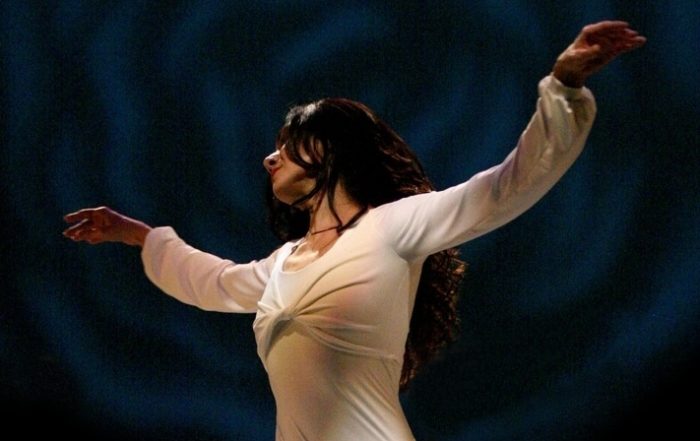
Muhammad Was A Feminist, by Jim Garrison with Banafsheh Sayyad
"If there is one single thing that Arabs and Muslims could do to reform and re-vitalize their crisis ridden cultures, it would be to liberate their women and provide them with the full rights women are enjoying in more and more countries around the world. Women’s equality is key to a real Arab Spring."
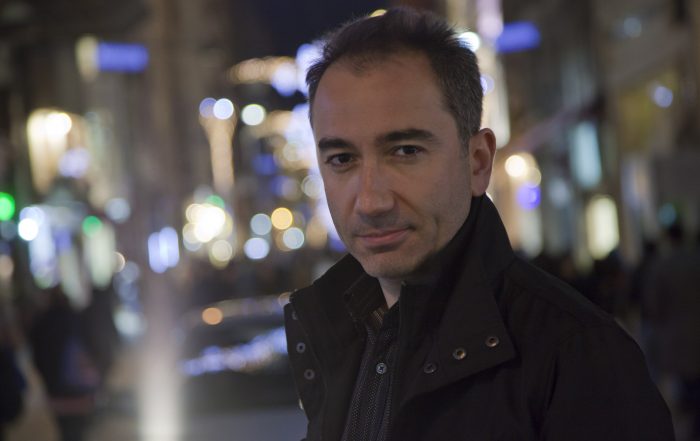
‘Dear Muslims, don’t wait for a savior’ by Mustafa Akyol
An interesting viewpoint from Mustafa Akyol's column for the Hurriyet Daily News. Akyol is a Turkish political commentator and author based in Istanbul. He thinks and writes on issues relating to Islam and modernity.
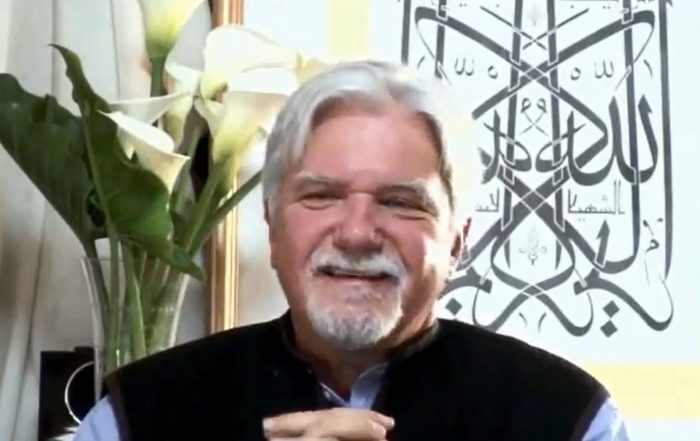
VISION OF BARAKA
Kabir Helminski on the living tradition of spiritual transformation and the vision of the Baraka Institute, a non-sectarian, collaborative initiative, offering residential retreats, as well as online media and courses. Available in 3 parts.
Videos
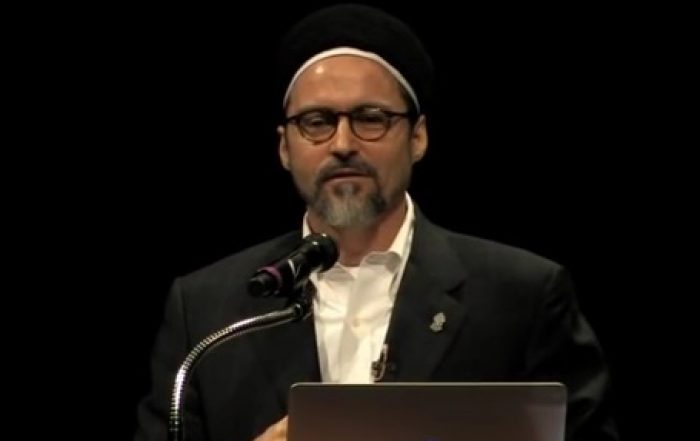
Healing Self, Healing Society
WATCH Healing Self, Healing Society: A wide-ranging talk followed by dialogue with Shaykh Hamza Yusuf drawing on the wisdom of the Qur'an and the Islamic tradition, at the Festival of Faiths, May 2014, Louisville, Kentucky
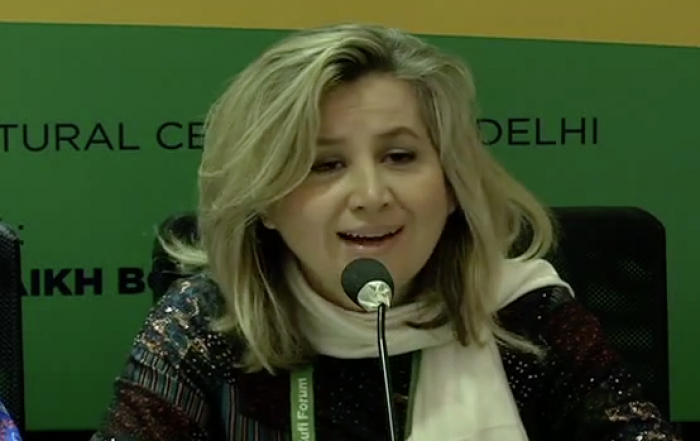
The Qur’anic Hermeneutics of Non-Violence
WATCH The Qur'anic Hermeneutics of Non-Violence: An inspiring talk by Afra Jalabi at the World Sufi Forum, March 2016, Delhi, India
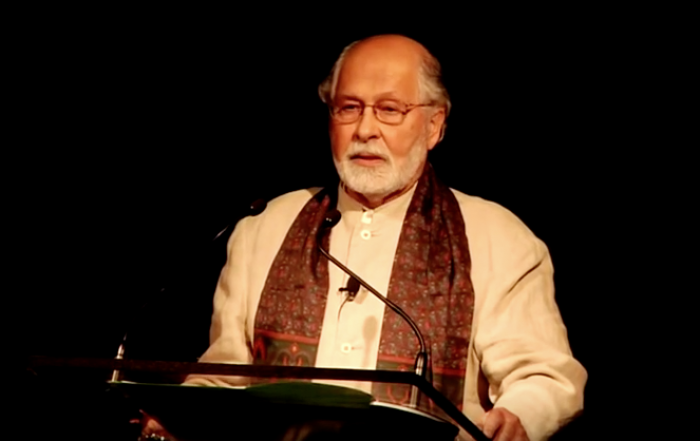
SACRED SILENCE & the METAPHYSICS of COMPASSION
WATCH Sacred Silence in Sufism & Vedanta / Sacred Silence: Pathway to Compassion - 2 talks by Seyyed Hossein Nasr at the Festival of Faiths, May 2013, Louisville, Kentucky
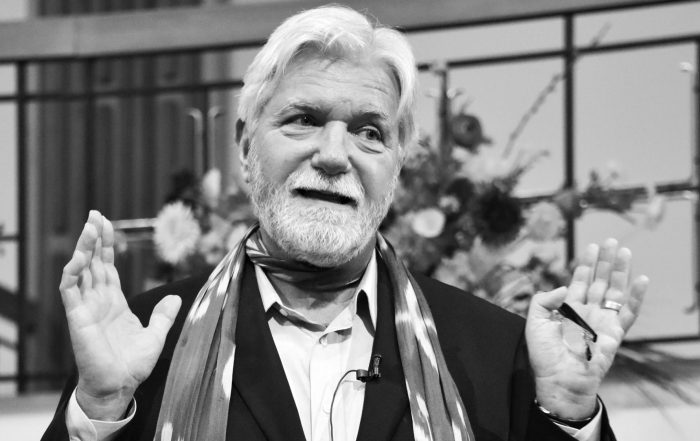
Countering Extremism: The Transformation of the Ego
Shaikh Kabir Helminski speaks about extremism as a pathology of the ego with a religious justification. All human endeavours and institutions are prone to degradation because of egoism. The real and original Islam was and
Articles
Bringing Ali Back Home
By Kabir Helminski Entering the Kentucky Exposition Hall for the Islamic funeral service of Muhammad Ali, one of the first things that caught my eye were people in T-shirts that read “I Am Ali.” I

The Foundations of Heartfulness in Islam
Shaikh Kabir Helminski (Qur’anic translation and commentary by Muhammad Asad) 1. Witness objectively, without judgment: Ya Shahid The purpose of human life can be stated as: to attain the knowledge of Reality. Everything that is
ISLAM HAS GIVEN BIRTH TO MONSTERS & NEEDS REFORM
"This denial of the right to freedom vis-à-vis religion is one of the roots of the evil from which you suffer, oh my dear Muslim world; it is one of those dark wombs in which, in recent years, monsters grow, and from whence they leap out at the frightened faces of the whole world..."
Beyond Dogma
Jawid Mojaddedi's 'Beyond Dogma, Rumi's Teachings on Friendship with God and Early Sufi Theories' published by Oxford University Press, is an original and welcome contribution to the understanding of Sufi history in general and Jalaluddin Rumi in particular. Read excerpts from the book...

Islam without Extremes
Islam without Extremes, A Muslim Case for Liberty by Mustafa Akyol (W. W. Norton & Company , 2011) makes the case that Islam and liberalism can and must go together. In his view, while governments necessarily deal with crime in order to protect the commons, no state apparatus, whether non-Muslim or Muslim, should be enforcing morality upon the individual.
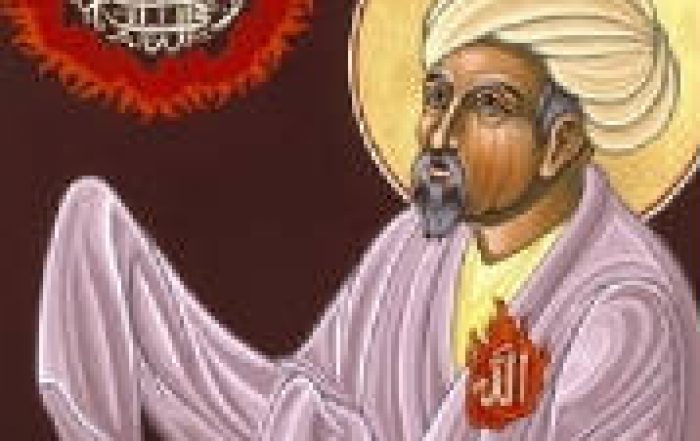
2 Poems by Mansur Al Hallaj
Underlying his fearsome courage was a beautiful tenderness that was forgiving, loving, and filled with wisdom. His deep spirituality was expressed in the most exquisitely poetic way that at the same time is filled with powerfully raw and naked power. His words were imbued with the perplexity that overwhelm a heart drowned in the ocean of love.
Becoming Real: Realization and Revelation in Rumi and Ibn ‘Arabi
The aim of this essay is simply to point to certain guiding concerns and perspectives that are shared by both these artists, perspectives which are happily subsumed in the multifaceted Arabic technical term tahqīq or “realization” that was particularly favored by Ibn ‘Arabi and the long line of his later interpreters, or muhaqqiqūn.
The Science of the Greater Jihad
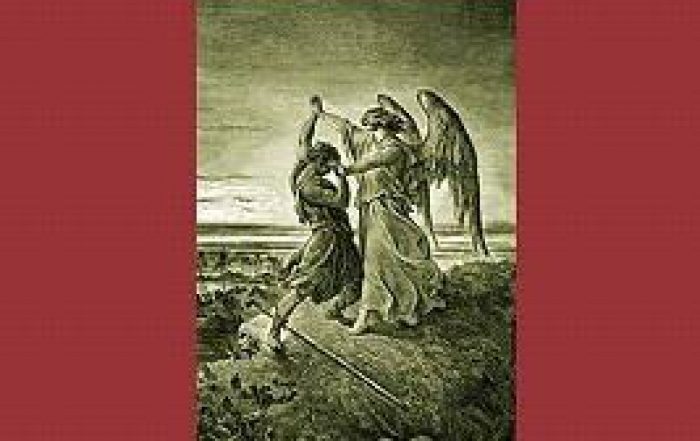
Few people writing in America today have as deep a grasp of metaphysics as Charles Upton. We commend his new book to anyone interested in spiritual psychology, Sufism, and Islam. It is a well-written in depth study of the spiritual psychology inherent in traditional Sufi practice. Read an extract...
Talks & Podcasts
AMIR AHMAD NASR’S INTEGRAL ISLAM
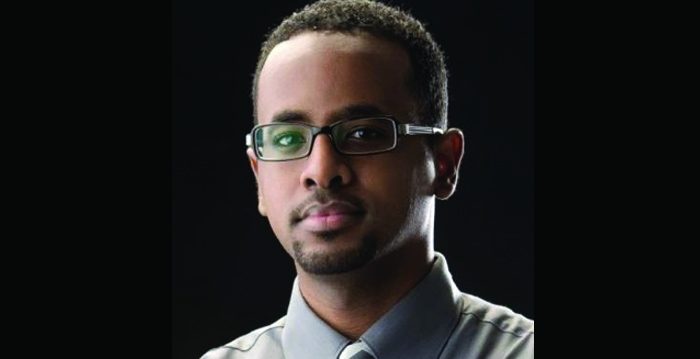
Listen to Amir, the formerly anonymous Arab Spring activist behind the internationally acclaimed sociopolitical blog The Sudanese Thinker, which inspired the rise of the Sudanese digital activism scene.
SPIRITUALITY FOR THE MODERN TIMES
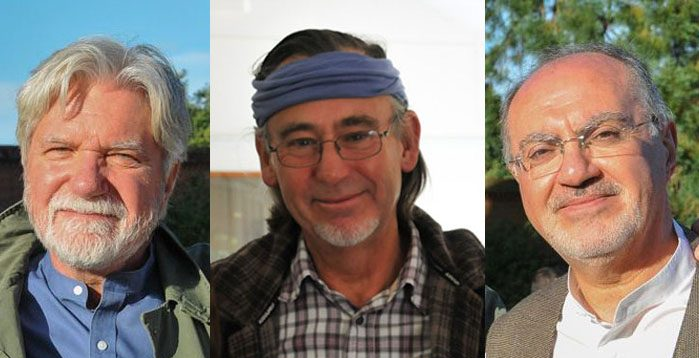
A talk by Shaikh Kabir Helminski, Jeremy Henzell-Thomas and Dr. Ali Allawi on Spirituality for the Modern Times and how we can maintain our connection through our livelihood and actions. Listen to the talk...
Recorded Events



Turn your face with purity toward the primordial religion, according to the innate nature with which He has made humankind; do not allow what God has made to be corrupted. That is authentic religion, but most people do not understand. Qur’an 30:30-32